The world of custom joinery is evolving and 2025 is shaping up to be an exciting year for design innovation in Sydney. Whether you’re a builder planning your next project, an architect specifying finishes for a kitchen renovation Sydney clients will love, or a homeowner dreaming of a renovation, understanding current joinery trends helps you create spaces that feel fresh, functional, and timeless.
At Improva, we work with exceptional joiners across Sydney and stay at the forefront of what’s happening in Australian homes. From our work with premium builders, architects and interior designers on custom joinery projects to homeowner renovations across the Eastern Suburbs, Northern Beaches, and Inner West, we’re seeing distinct trends emerge that are reshaping how we approach cabinetry and joinery design. Let’s explore what’s defining 2025 and how these trends can elevate your next project.
Fluted and Ribbed Details: Texture Takes Centre Stage
One of the most striking trends we’re seeing is the rise of fluted and ribbed joinery details. Gone are the days when flat-panel cabinetry was the only option for contemporary spaces. Today’s designs embrace texture and dimension, with vertical grooves adding visual interest and tactile appeal to cabinet doors, kitchen islands, and feature walls.
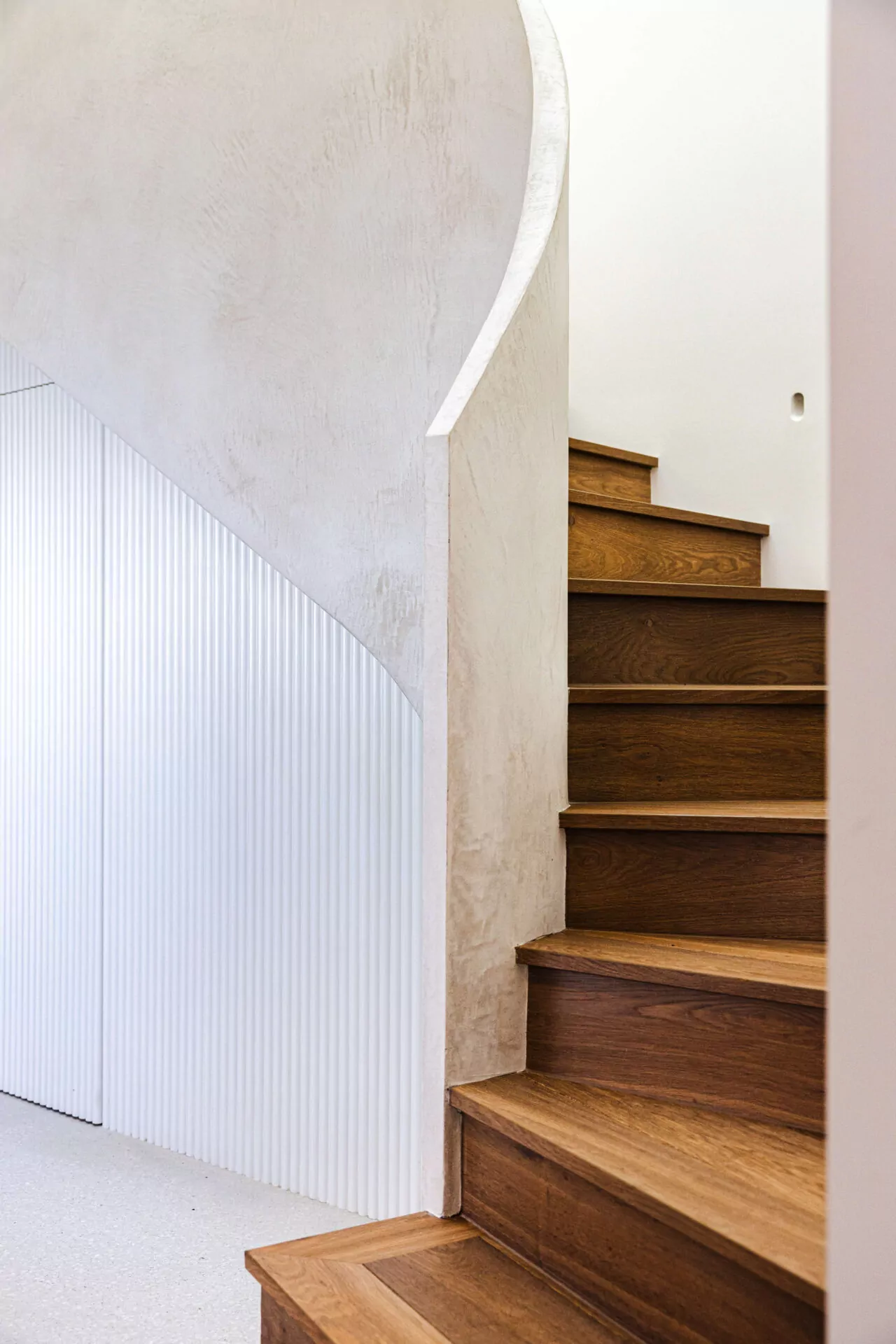
Fluting works beautifully in both traditional and modern contexts. In classic kitchens, it adds elegance and refinement, whilst in contemporary spaces, it introduces warmth and character without overwhelming the minimalist aesthetic. We’re particularly loving how fluted details catch the light throughout the day, creating subtle shadows that make joinery feel alive and dynamic.
The beauty of this trend is its versatility. Fluted panels can be applied to island ends, rangehood surrounds, pantry doors, or even bathroom vanities. For builders and architects, it’s an excellent way to add a custom, high-end feel without dramatically increasing costs. The key is using fluting thoughtfully – as an accent rather than covering every surface.
Integrated Appliances: The Invisible Kitchen
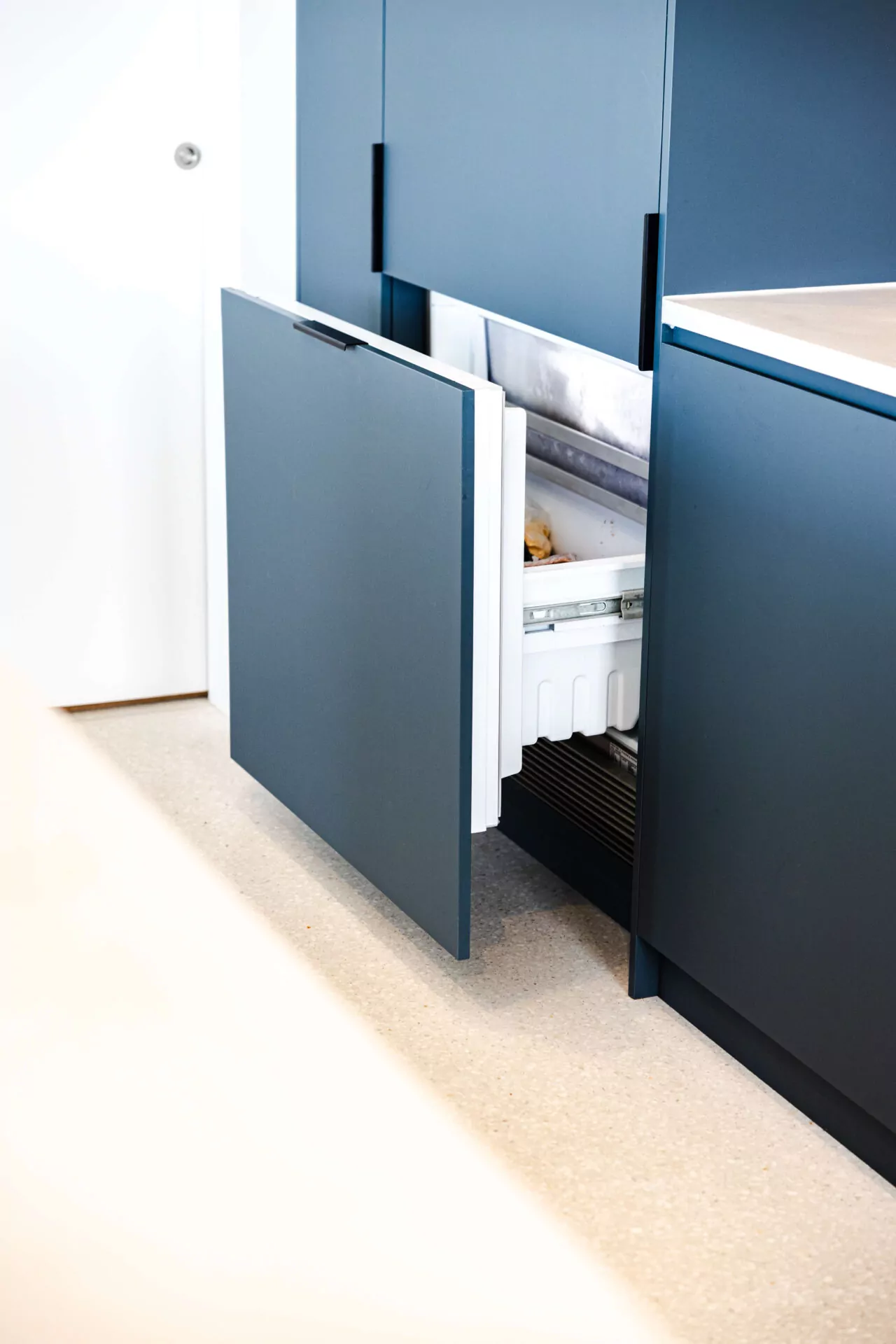
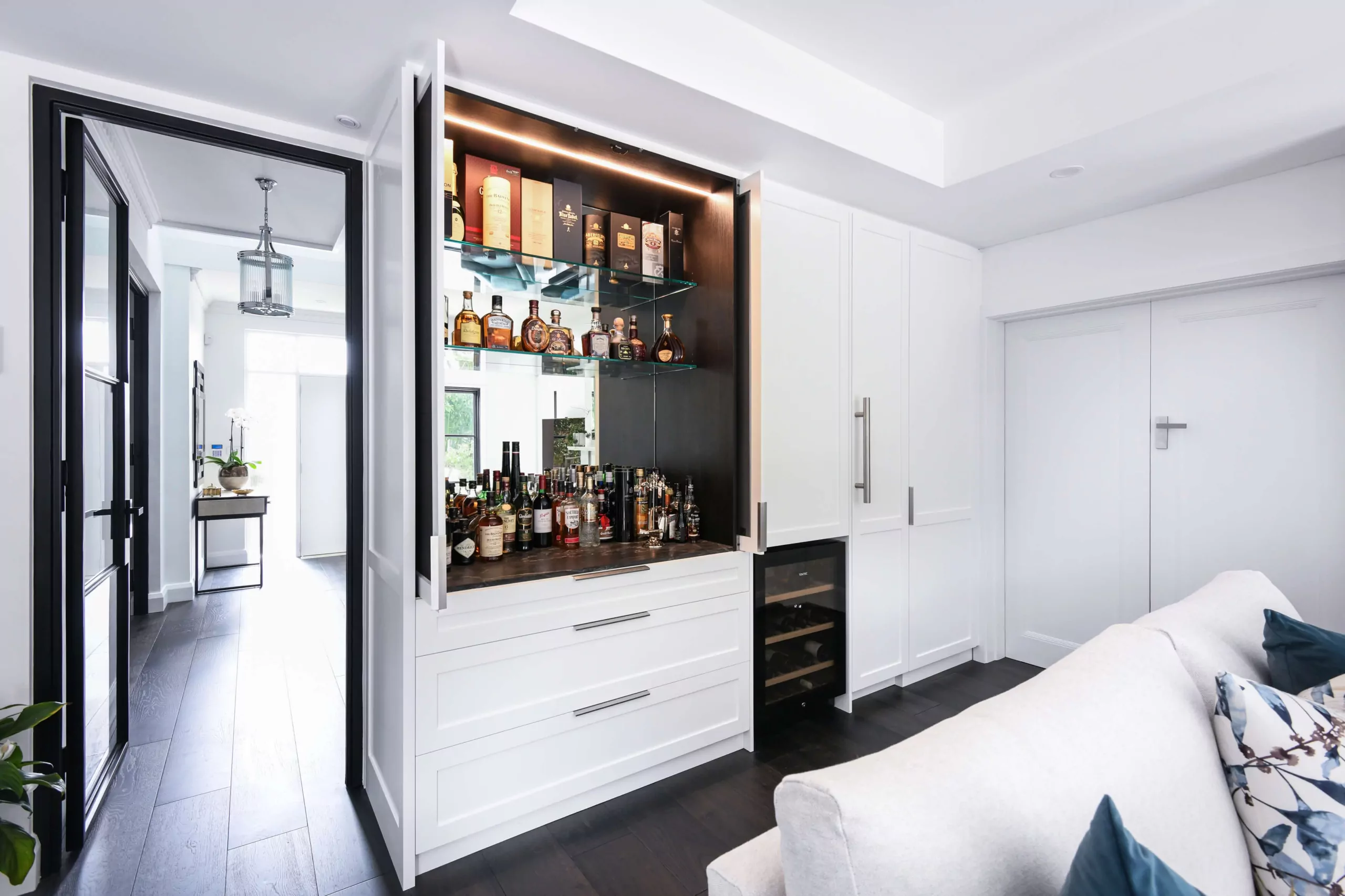
The push toward seamless, uncluttered spaces continues to gain momentum in 2025. Integrated appliances aren’t new, but the sophistication with which they’re being incorporated has reached new heights. We’re talking about dishwashers, refrigerators, and even ovens that disappear behind joinery panels, creating clean lines and uninterrupted visual flow.
This trend extends beyond just concealing appliances. It’s about creating joinery that serves multiple purposes – a pantry that houses the fridge, cabinetry that integrates the coffee machine, or a breakfast station that hides the toaster and kettle. The goal is reducing visual clutter whilst maintaining functionality.
For homeowners, integrated appliances offer the satisfaction of a pristine, magazine-worthy kitchen. For builders working with architects and designers, they’re essential for achieving the streamlined aesthetic that’s become synonymous with luxury Australian homes. The challenge lies in the planning – everything must be measured precisely, which is where experienced joinery consultants prove invaluable.
Mixed Materials: Breaking Traditional Boundaries
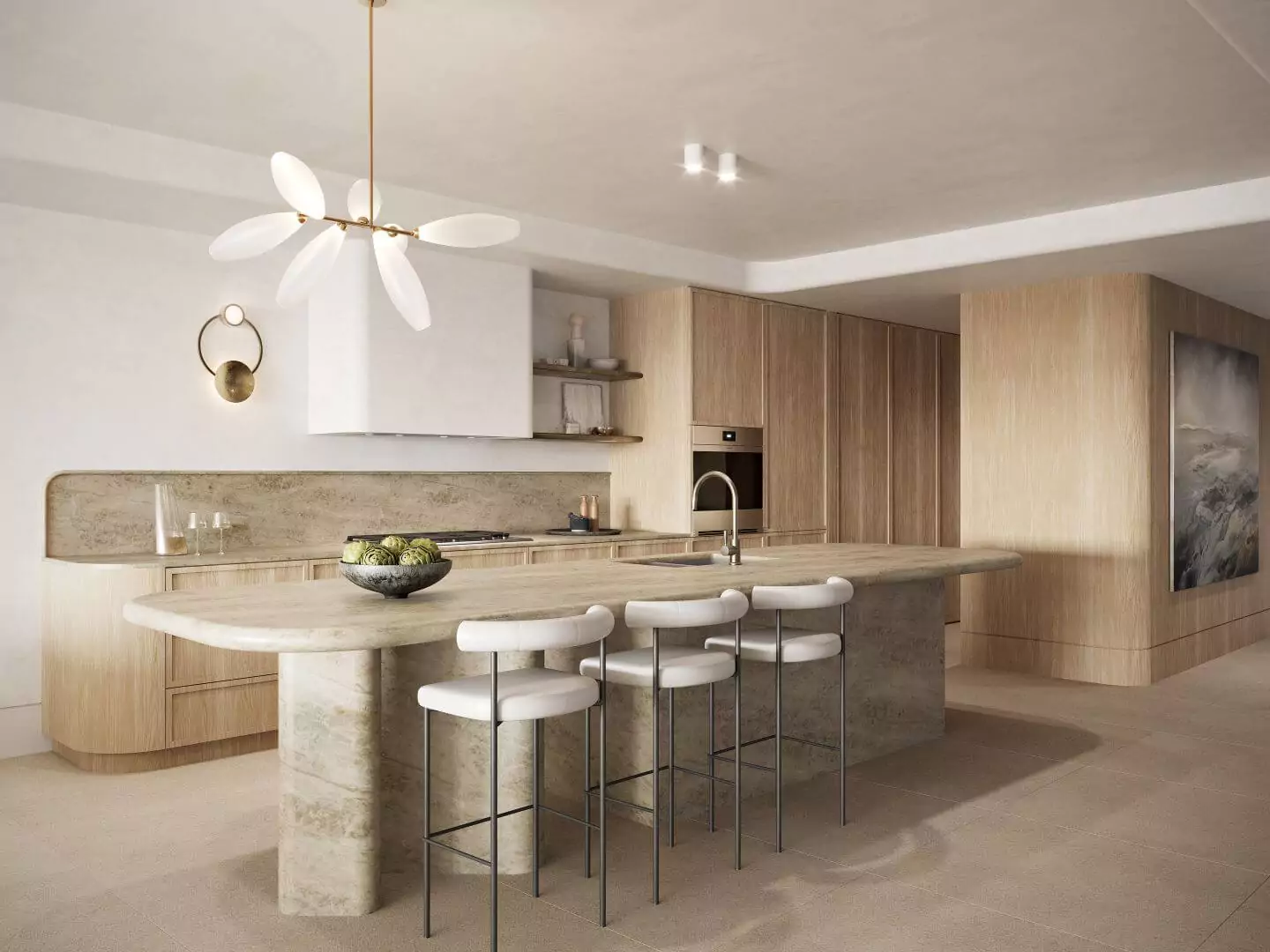
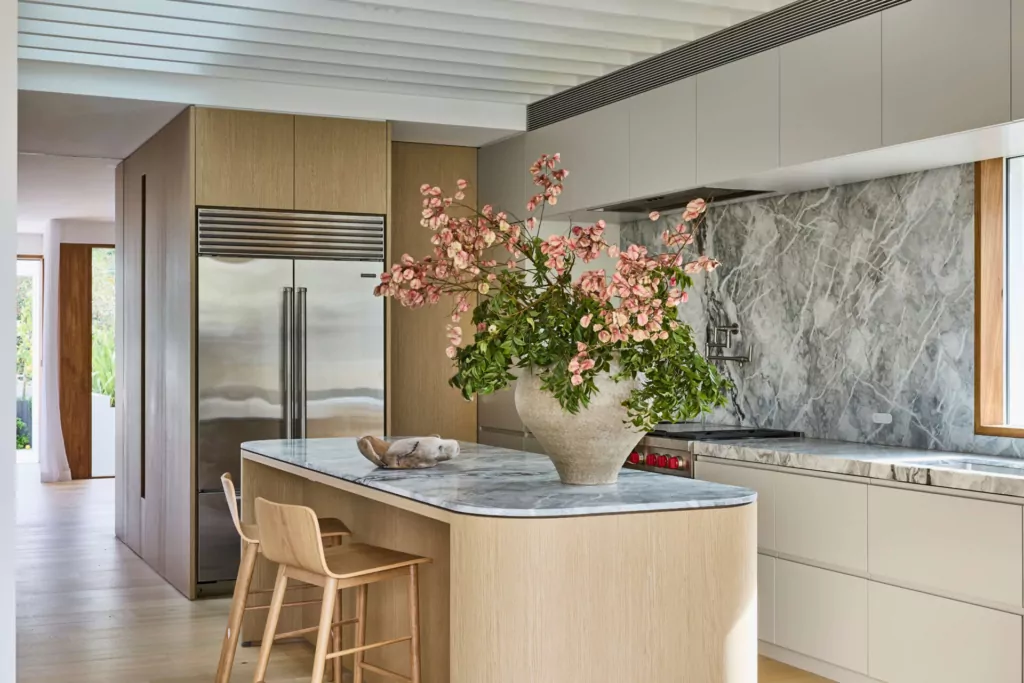
2025 is the year of confident material mixing. We’re seeing timber cabinetry paired with stone benchtops, metal accents complementing natural wood grains, and glass elements adding lightness to solid joinery. The key to success with mixed materials is intentionality – each material should serve a purpose, whether practical or aesthetic.
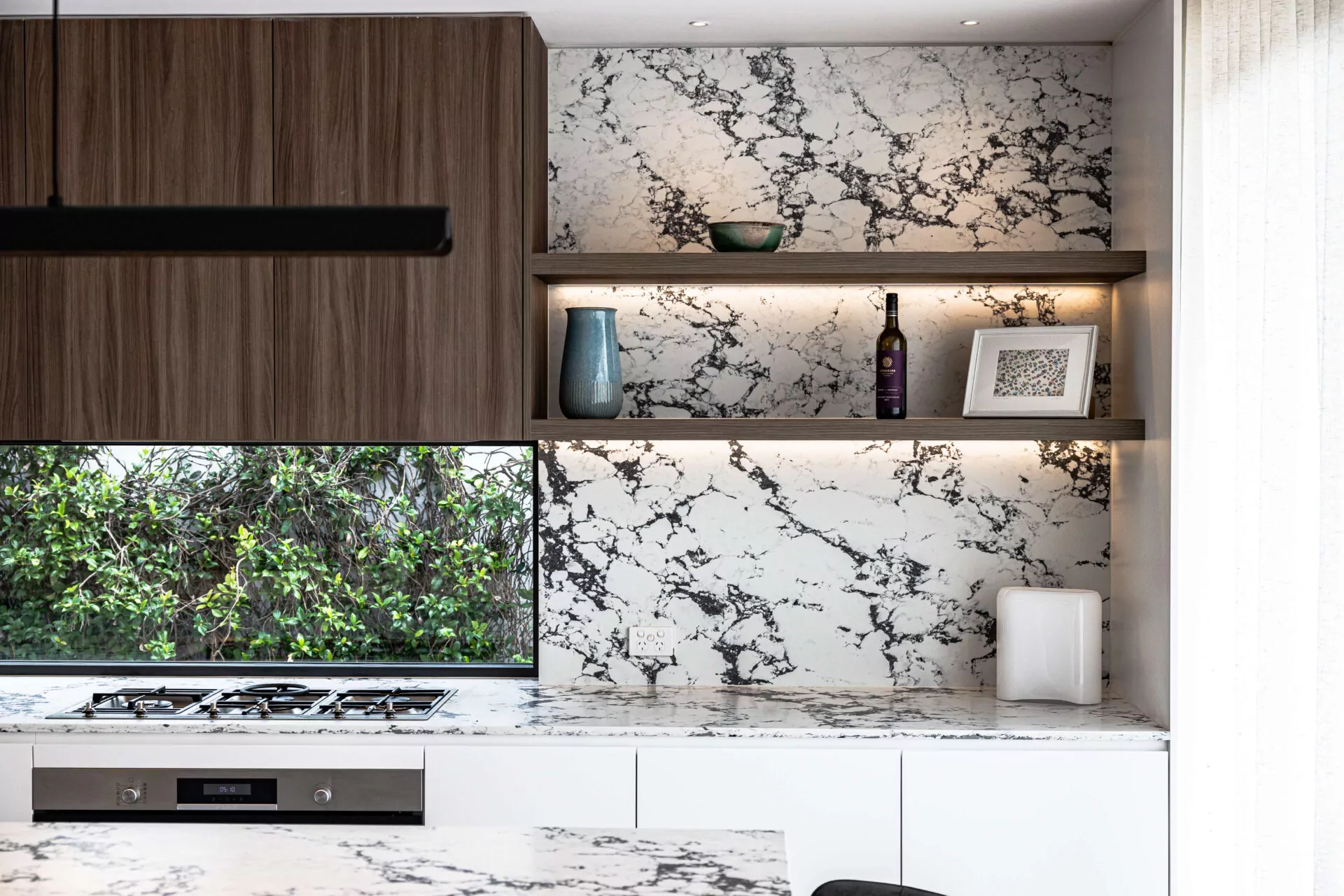
Natural timber remains hugely popular, but it’s now being used alongside unexpected partners. Think American oak lower cabinets with sleek black metal upper shelving, or walnut joinery accented with brushed brass handles and marble inserts. These combinations create depth and interest whilst allowing each material to shine.
We’re also seeing more adventurous use of stone within joinery itself – not just as benchtops. Stone shelving within timber cabinetry, stone wine racks, or even stone drawer fronts are appearing in high-end projects. These touches elevate joinery from purely functional to truly bespoke.
For those specifying materials, consider how different textures and finishes will interact. Matte timber paired with polished stone creates beautiful contrast. Warm timber with cool metal adds sophistication. The possibilities are exciting, but require careful coordination between joiners, stonemasons, and other trades – something we facilitate daily at Improva.
Statement Rangehoods: From Functional to Focal Point
Rangehoods have evolved from necessary appliances into design statements. In 2025, we’re seeing rangehoods treated as architectural features that anchor kitchen design. Custom joinery surrounds, integrated lighting, and sculptural forms are transforming what was once an afterthought into a centrepiece.
Timber-clad rangehoods are particularly popular, especially when they extend to the ceiling, creating a dramatic vertical element. We’re also seeing plaster rangehoods with integrated joinery, metal canopies with timber accents, and even stone-clad designs that make bold statements.
The beauty of a well-designed rangehood surround is how it brings together various elements – it can house lighting, provide display shelving, or create symmetry in the kitchen layout. For builders, it’s an opportunity to add significant visual impact. For homeowners, it’s a chance to personalise their kitchen in a truly meaningful way.
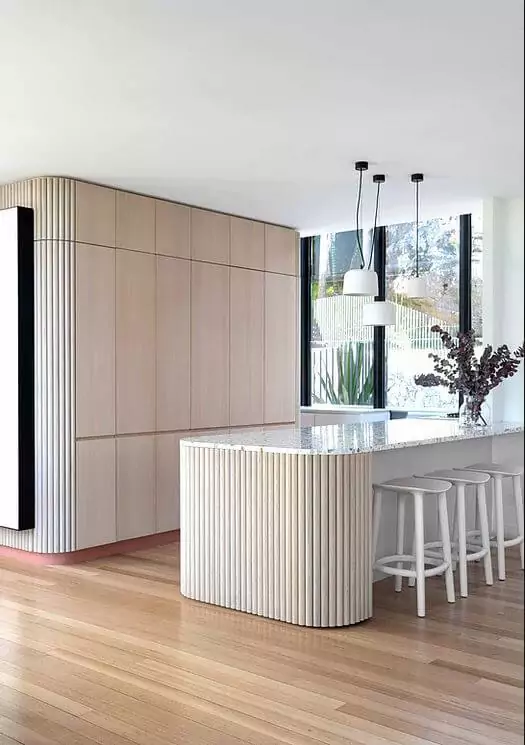
Sharp corners and rigid lines are giving way to curves and soft edges. This trend reflects a broader move toward creating spaces that feel welcoming and comfortable rather than stark and clinical. Rounded island edges, curved cabinet doors, arched pantry openings, and circular shelving are all gaining popularity.
Curves introduce a sense of flow and movement into spaces. They soften the hard edges that dominate most homes and create visual interest from every angle. We’re seeing this particularly in kitchen islands – rounded ends are becoming increasingly popular, both for aesthetic reasons and practical ones (no sharp corners for children to bump into).
Beyond safety benefits, curves add an element of sophistication and craft. They demonstrate joinery skill and attention to detail. For homeowners who want something truly special, incorporating curves – whether subtle or dramatic – instantly elevates the design.
The key is balance. Not every element needs to be curved; in fact, mixing curved joinery with straight-lined cabinetry often creates the most successful results. Consider curves for island ends, open shelving, or feature cabinets, whilst maintaining straight lines for the main cabinetry.
Sustainable Materials and Finishes: Conscious Choices
Sustainability isn’t just a buzzword – it’s becoming a fundamental consideration in joinery selection. In 2025, we’re seeing increased demand for responsibly sourced timber, low-VOC finishes, and materials with longevity in mind. This trend reflects both environmental consciousness and a desire for quality that lasts.
Australian hardwoods from certified sustainable forests are particularly popular. These timbers not only look beautiful but tell a story of responsible forestry. We’re also seeing renewed interest in reclaimed and recycled timbers, which bring character and uniqueness to projects whilst reducing environmental impact.
Water-based finishes and natural oils are replacing traditional lacquers in many projects. These not only reduce harmful emissions but often result in more beautiful, natural-looking finishes that age gracefully. For homeowners concerned about indoor air quality, this is a significant benefit.
Beyond materials themselves, sustainable joinery means designing for longevity. Quality construction, timeless design, and materials that can be refinished or repaired all contribute to sustainability. This is where choosing the right joiner becomes crucial – craftsmanship that lasts decades is inherently more sustainable than cheaper alternatives that need replacing.
Smart Storage Solutions: Maximising Every Millimetre
Australian homes might be getting larger, but the demand for clever storage continues to grow. In 2025, smart storage isn’t just about fitting more in – it’s about accessing what you need effortlessly. Pull-out pantries and workstations, corner solutions, integrated bins, and drawer organisers are being specified as standard rather than optional extras.
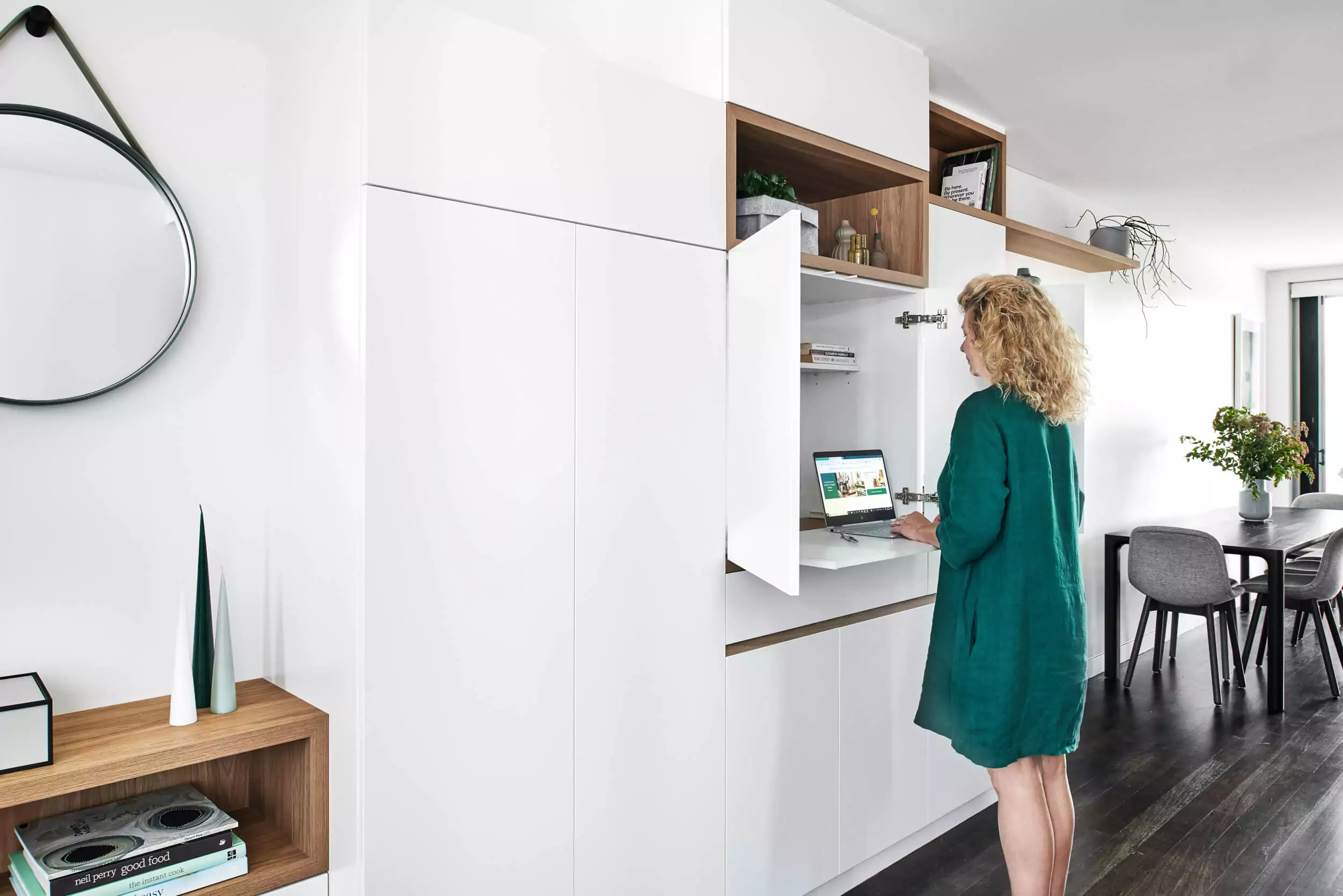
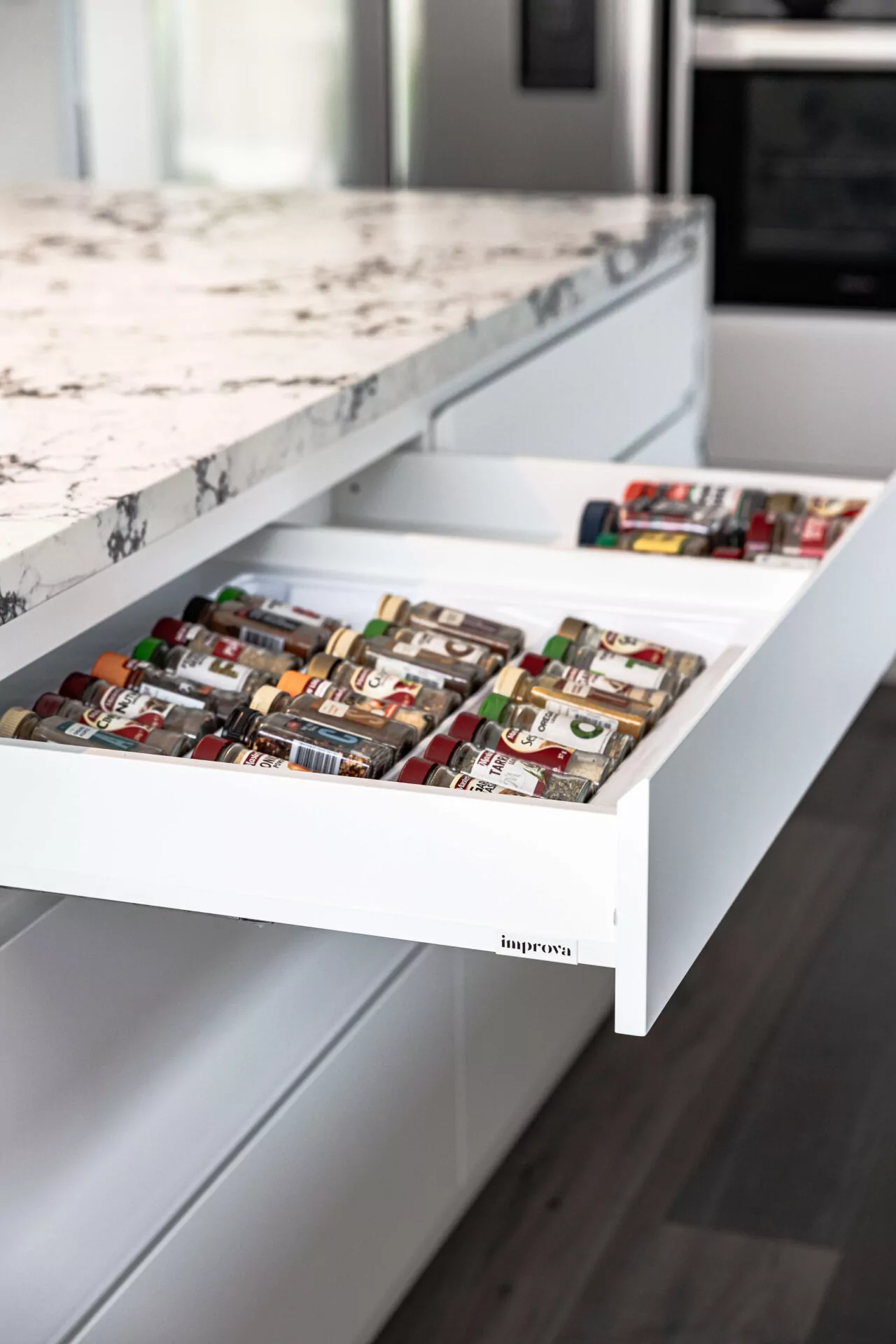
We’re seeing particular innovation in kitchen storage. Deep drawer systems that organise pots and pans, spice pull-outs that make every jar visible, appliance garages that keep benchtops clear, and bin systems that separate waste streams with ease. These solutions transform how people use their kitchens daily.
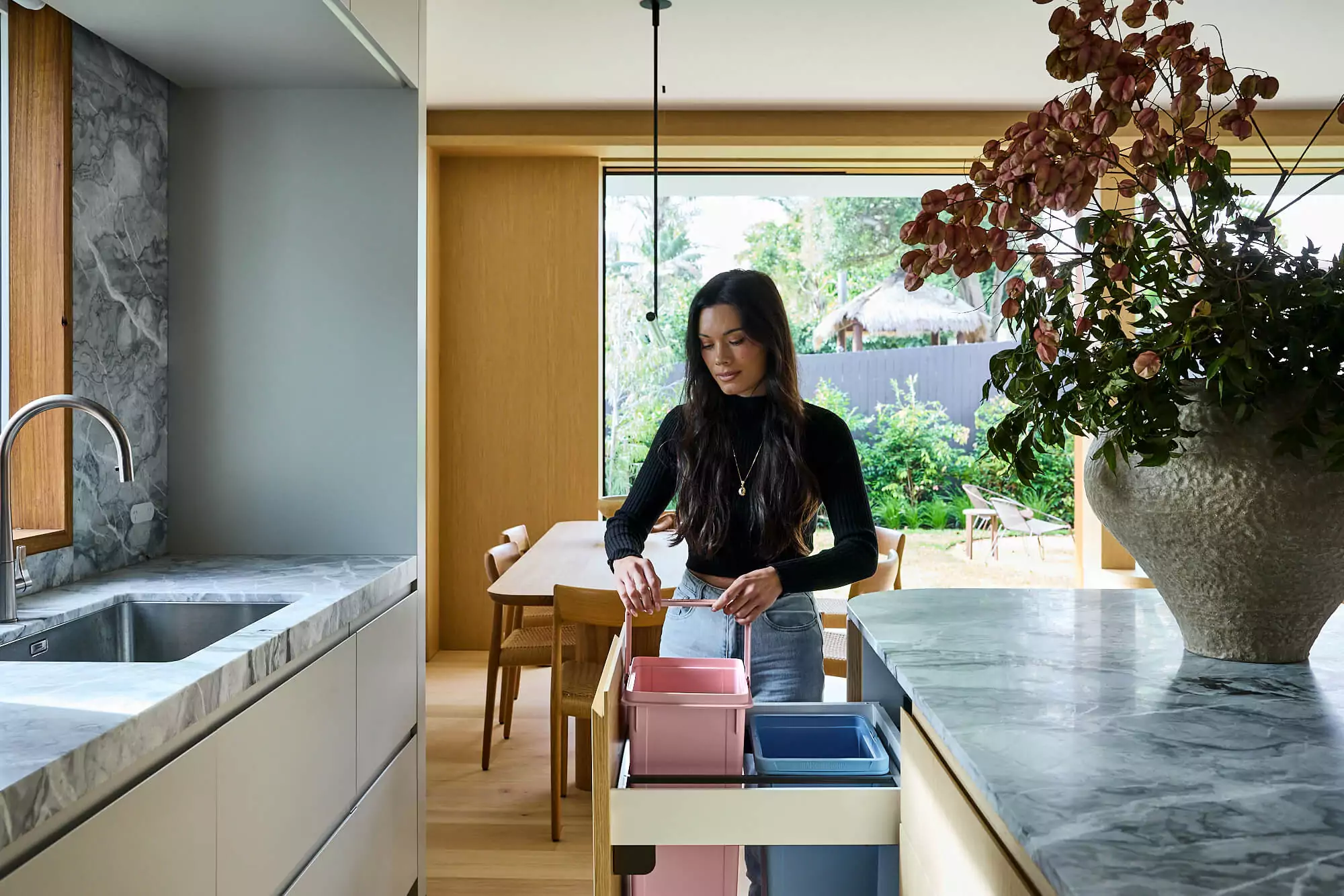
Even the bins themselves are becoming design features. Gone are the days of hiding unsightly bins behind cabinet doors – now, stylish designer bins like those from Inkolor add pops of colour and personality whilst maintaining functionality. When storage solutions look this good, you don’t need to hide them away.
Bathroom joinery is also becoming smarter. Vanities with integrated power points for hair tools, medicine cabinets with USB charging, and clever drawer dividers that keep products organised and accessible. Even laundries are getting the smart storage treatment, with pull-out ironing boards, drying racks, and laundry sorting systems.
For builders and architects, specifying smart storage from the outset saves headaches later. For homeowners, it’s the difference between a kitchen that functions beautifully and one that frustrates daily. The best storage solutions are those that feel intuitive – you shouldn’t need to think about where things go or how to access them.
Textured Finishes: Beyond Flat Surfaces
Whilst smooth, flat surfaces still have their place, 2025 is seeing a surge in textured finishes. Wire-brushed timber that highlights grain patterns, limed oak with its chalky white texture, and even leather-finish laminates are adding tactile interest to cabinetry.
These finishes serve both aesthetic and practical purposes. Textured surfaces hide fingerprints and minor marks better than smooth finishes, making them ideal for family homes. They also add visual warmth and character, particularly in large expanses of cabinetry where flat surfaces might feel monotonous.
We’re particularly fond of how textured finishes play with light. Unlike flat surfaces that simply reflect, textured timber catches and scatters light, creating depth and movement throughout the day. This makes spaces feel more dynamic and interesting without requiring bold colours or patterns.
The trend extends to stone surfaces too. Honed and leathered finishes are overtaking polished stone in popularity, offering subtle texture whilst maintaining the luxury feel of natural stone. These finishes feel more organic and less formal, aligning with the broader trend toward comfortable, liveable luxury.
Bringing 2025 Joinery Trends to Your Sydney Project
At Improva, our role is connecting you with exceptional joiners across Sydney who can execute these trends beautifully. Whether you’re a builder seeking reliable joinery partners for your next development, an architect wanting your vision realised perfectly, or a homeowner planning your dream kitchen renovation Sydney-wide, we ensure you’re matched with craftspeople who understand current design whilst respecting timeless principles.
Our joinery consultancy service is completely free when you engage one of our trusted joiners. We source quotes, negotiate competitive pricing on your behalf, attend check measures, review production plans, are present for quality control, and we’re there in the background if you need a helping hand. We also source additional specialists when needed – stonemasons for those mixed-material designs, metal fabricators for custom details, or splashback suppliers to complete your vision.
Our CAD design services create detailed 3D visualisations that help you see your finished space before construction begins, ensuring all these exciting trends are incorporated thoughtfully and practically.
Haven’t engaged our joiners yet but want expert advice on your custom joinery project? We offer paid joinery advisory services with tailored guidance including design optimisation, cost analysis, and material recommendations during the joinery design and quoting process.
Conclusion
The joinery trends defining 2025 reflect a maturation in Sydney design sensibility. We’re moving beyond trend-chasing toward thoughtful choices that balance aesthetics with functionality, innovation with timelessness, and boldness with restraint. Whether you embrace fluted details, integrated appliances, mixed materials, or any combination of these trends, the key is execution.
Quality custom joinery isn’t about following every trend – it’s about selecting elements that enhance your specific project and having them crafted beautifully. That’s where the right partnerships matter. With Improva, you’re connected to Sydney’s finest joiners who stay current with design innovation whilst delivering the craftsmanship that makes trends timeless.
Ready to incorporate these 2025 trends into your next kitchen renovation Sydney project or custom joinery commission? Whether you’re a building professional or planning a complete home renovation, we’d love to discuss how we can help. Reach out to explore how our joinery consultancy for builders, architects and interior designers, homeowner renovation services, design services, or advisory offerings can bring your vision to life with the quality and expertise it deserves.