Home bars have evolved from novelty additions into genuine lifestyle features that enhance entertaining whilst adding substantial value to Sydney properties. Whether you’re a builder creating premium finishes for luxury developments, an architect designing bespoke spaces for clients who love entertaining, or a homeowner dreaming of hosting gatherings without visiting crowded venues, understanding home bar design helps you create spaces that deliver both functionality and sophisticated ambiance.
At Improva, we connect clients with Sydney joiners who excel at custom bar joinery, from compact kitchen nooks to elaborate basement installations. From the Northern Beaches to the Eastern Suburbs, we’re seeing increased demand for home bars as entertaining shifts toward private gatherings in beautifully designed spaces. The right home bar transforms how you entertain, turning ordinary evenings into special occasions without leaving home. Let’s explore the designs and features creating exceptional home bars across Sydney.
Why Home Bars Add Value to Sydney Homes
Home bars represent significant lifestyle upgrades that resonate strongly with certain buyer demographics when properties eventually sell.
Convenience defines the primary appeal. Rather than driving to venues, dealing with crowds, or paying premium prices, home bars put favorite drinks steps away. This matters particularly in Sydney where traffic congestion makes even short trips time-consuming. The ability to craft cocktails, pour wines, or serve beers in comfortable home environments proves increasingly valuable.
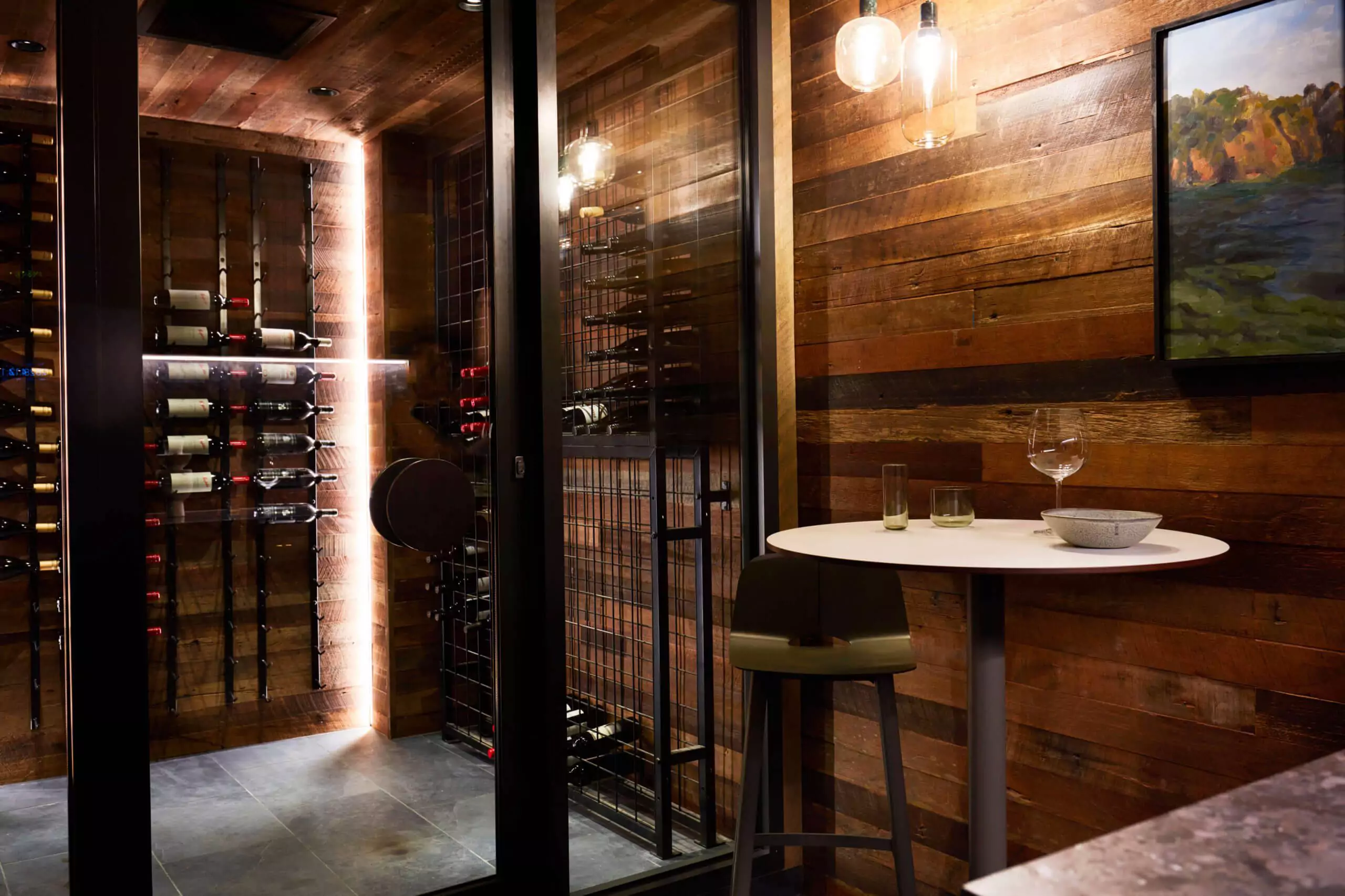
Personalisation opportunities allow creating bars perfectly matched to individual tastes and entertaining styles. Perhaps a whisky-focused bar with extensive spirit storage and proper glassware. Or a wine bar featuring climate-controlled storage and tasting space. Or a tropical cocktail bar with tiki aesthetics and blender station. Home bars can reflect personality in ways commercial venues never achieve.
Social connectivity improves when entertaining centres around well-designed bar spaces. Rather than hosts disappearing into kitchens leaving guests alone, bars position drink preparation as social activity. Friends gather bar-side watching cocktails being mixed or wines being poured, conversation flowing naturally throughout.
Property value increases measurably with quality home bars, particularly in premium suburbs where buyers expect luxury amenities. Well-executed bars demonstrate attention to lifestyle details that discerning buyers value. The investment in bar joinery, equipment, and finishes often returns substantially when properties sell.
Designing Your Home Bar Space
Successful home bar design begins with understanding how you’ll actually use the space and what features truly matter versus merely seeming appealing.
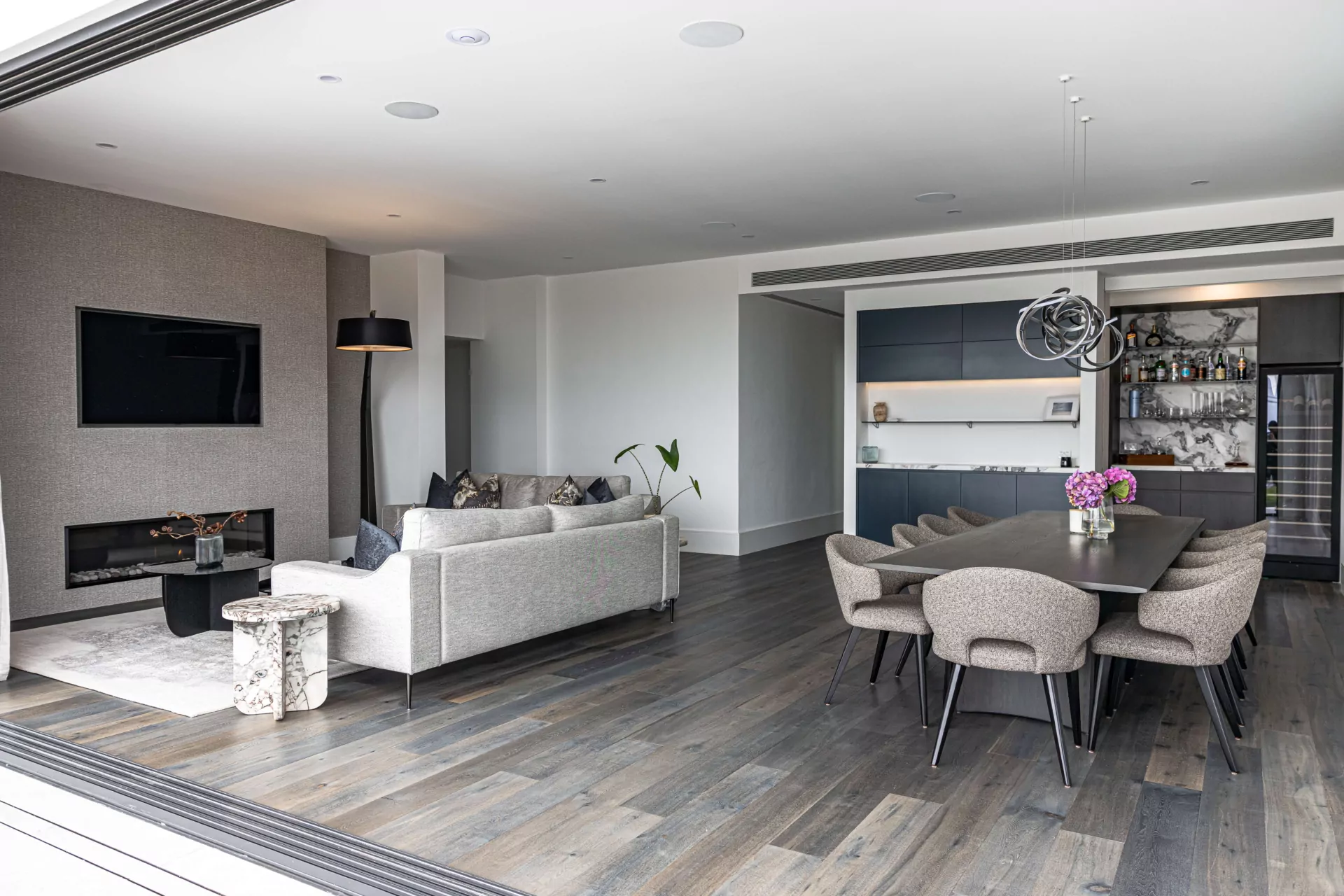
Theme selection provides design direction whilst ensuring cohesive aesthetics. Contemporary minimalist bars emphasise clean lines, quality materials, and understated elegance. Traditional or pub-style bars incorporate rich timber, classic details, and comfortable familiarity. Industrial bars combine raw materials, concrete, steel, reclaimed timber, into edgy sophistication. Tropical or tiki bars embrace bold colours, organic materials, and playful escapism. The theme should reflect your personality whilst coordinating with broader home aesthetics.
Location determines both bar possibilities and limitations. Kitchen bar nooks integrate entertaining into existing spaces, perfect for compact homes or apartments where dedicated bar rooms aren’t feasible. These utilise otherwise wasted corners or peninsula extensions, creating bar functionality without consuming additional square meterage. Basement bars capitalises on spaces often underutilised, transforming them into genuine entertainment destinations. The separated location allows different aesthetics than main living areas whilst providing privacy from sleeping areas above.
Outdoor bars suit Sydney’s climate beautifully, extending entertaining into gardens, decks, or patios. Weather-resistant materials and equipment designed for outdoor use ensure longevity despite exposure. These spaces blend indoor comfort with outdoor freshness, creating unique entertaining atmospheres impossible inside.
Multi-functional spaces combine bars with other purposes, perhaps home offices doubling as bars, or media rooms incorporating bar areas. This approach maximises space efficiency in homes where dedicating entire rooms solely to bars seems excessive. Quality joinery allows seamless transitions between functions, with bar elements concealing when not in use.
Size and Layout Considerations
Bar dimensions significantly affect both functionality and comfort, with appropriate sizing depending on how many people you typically entertain.
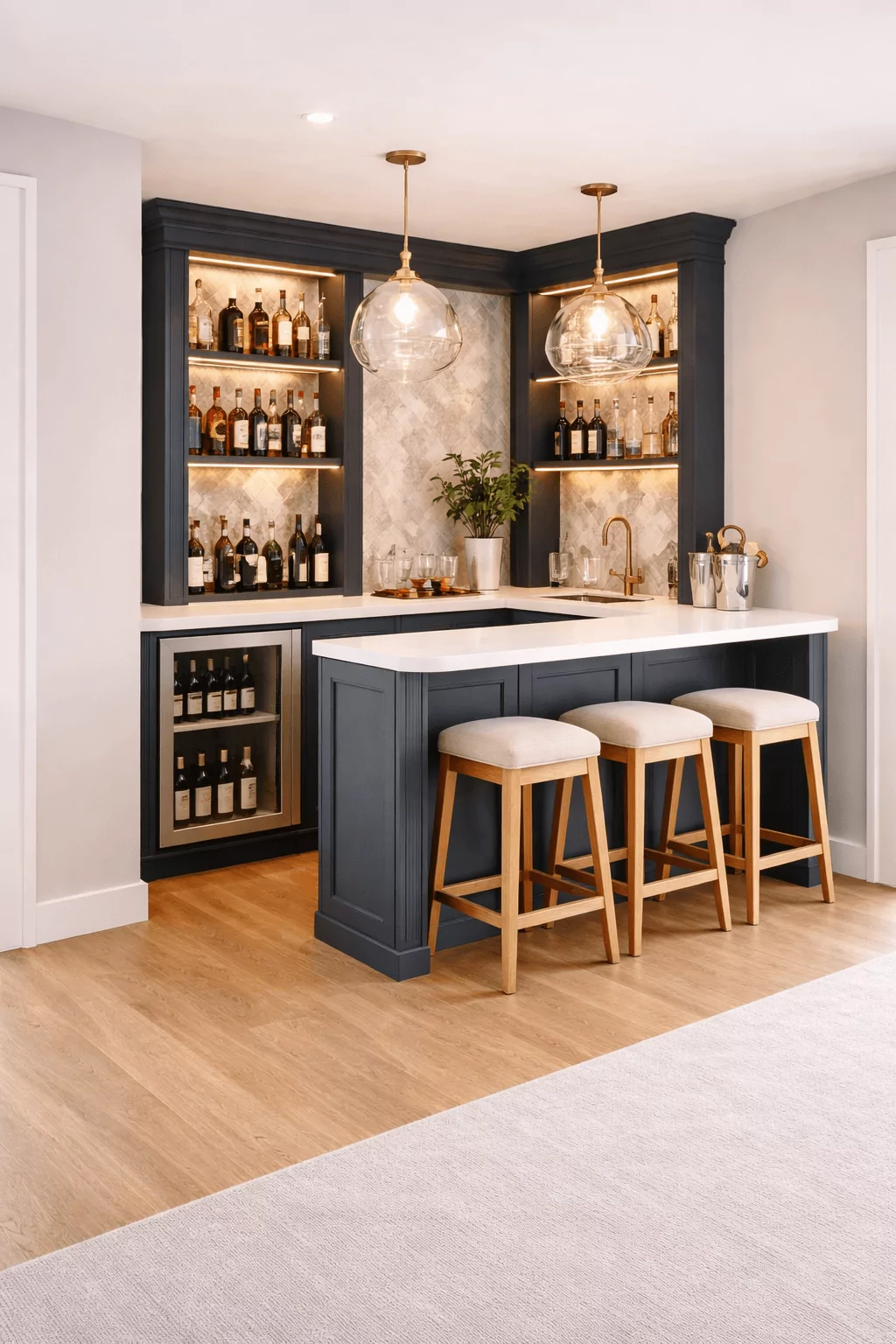
Compact bars (1500-2000mm wide) suit occasional entertaining or limited available space. These provide essential bar functionality, drink preparation surface, basic storage, and perhaps seating for two, without overwhelming rooms. Wall-mounted or peninsula configurations work well for compact bars, minimizing floor space consumption.
Medium bars (2000-3000mm) accommodate more substantial entertaining whilst remaining manageable. These allow proper workflow with distinct zones for preparation, serving, and cleanup. Storage capacity increases significantly, housing more extensive drink collections and glassware. Seating for three to four people becomes comfortable rather than cramped.
Substantial bars (3000mm+) create genuine entertainment centres with multiple zones, extensive storage, and comfortable seating for larger groups. These justify additional features like sinks, refrigeration, ice makers, and specialised storage. The increased size allows incorporating these amenities without feeling crowded, maintaining comfortable circulation and workflow.
Bar height affects both aesthetics and ergonomics. Standard bar height (1050-1100mm) accommodates bar stools whilst providing comfortable standing service height. This elevation works well for most adults, though accessibility considerations might suggest adjustable or varied heights. Counter height (900mm) allows using standard dining chairs rather than bar stools, creating more casual atmospheres whilst improving accessibility.
Overhang depth determines seating comfort. Minimum 300mm allows knees beneath bars, though 400-450mm proves more comfortable. These overhangs require proper structural support, cantilevers need reinforcement preventing sagging under weight or use.
Essential Bar Features and Equipment
Well-designed bars incorporate specific features improving both functionality and user experience.
Storage solutions must accommodate various needs simultaneously. Lower cabinets house bottles, mixers, and supplies. Upper cabinets or shelving display glassware and attractive bottles. Specialised racks store wine bottles horizontally, maintaining cork moisture. Hanging stemware racks keep wine glasses accessible whilst adding visual interest. Drawer storage organises tools, napkins, and small items neatly.
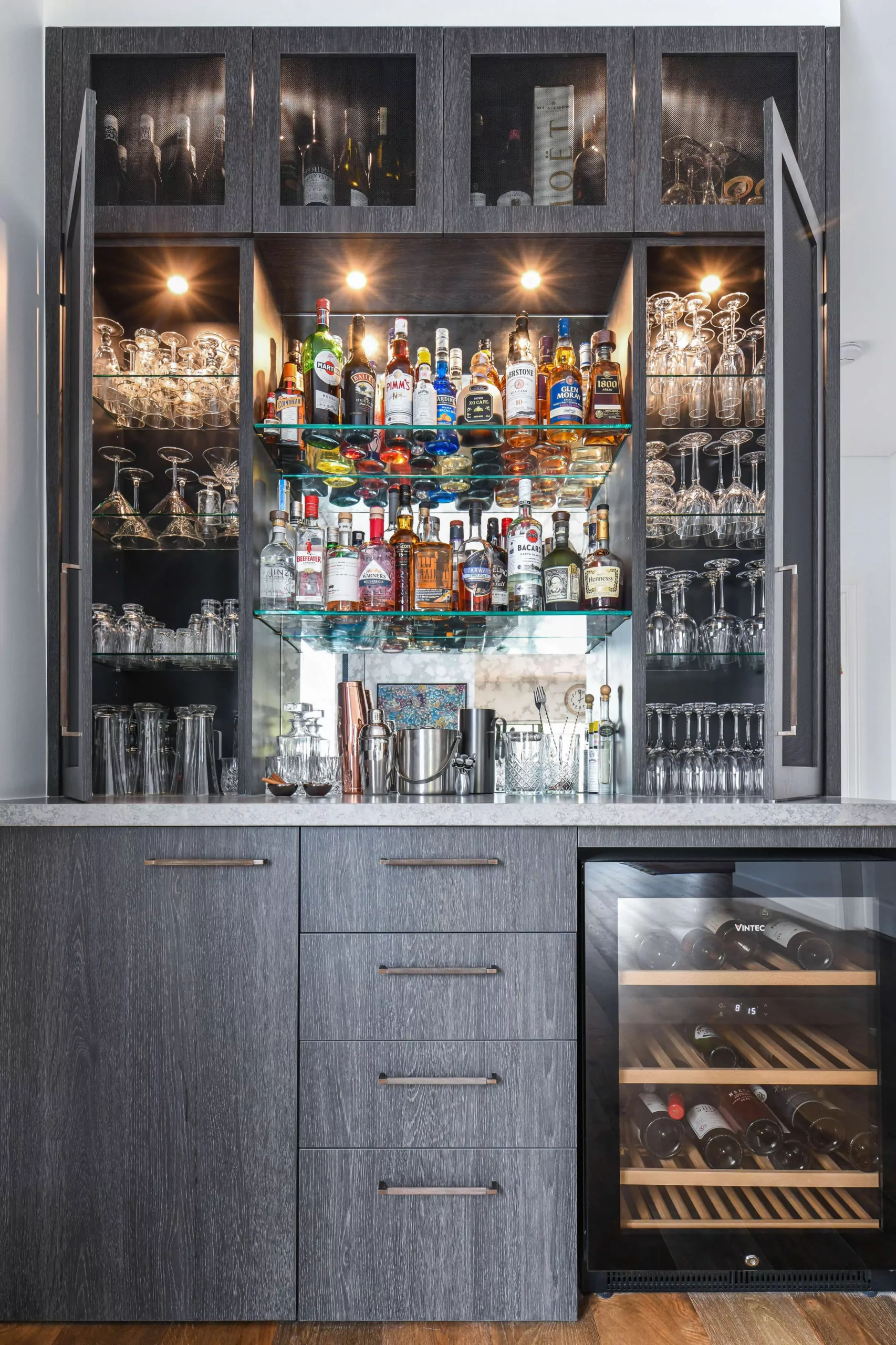
Preparation surfaces require durable, easy-clean materials. Stone benchtops, granite, marble, or engineered options, withstand spills whilst looking sophisticated. Timber adds warmth though requires more maintenance. Stainless steel suits commercial-influenced designs whilst providing ultimate durability and cleanability. Whatever material chosen, adequate surface area for mixing, pouring, and serving proves essential.
Refrigeration ranges from compact wine fridges to full under-counter refrigerators. Wine storage requires specific temperature ranges (12-14°C for whites, 14-18°C for reds), whilst beer and mixers need colder storage (2-4°C). Dual-zone fridges accommodate both needs. For serious entertainers, dedicated ice makers provide constant ice supply without freezer dependence.
Sinks, whilst not essential, dramatically improve functionality. Wet bars with sinks allow rinsing glasses, cleaning tools, and disposing liquids without kitchen trips. Even small bar sinks (300-400mm) prove remarkably useful. Sinks require plumbing and drainage, factors affecting location possibilities. Alternatively, portable ice buckets and waste receptacles provide cleanup solutions without permanent plumbing.
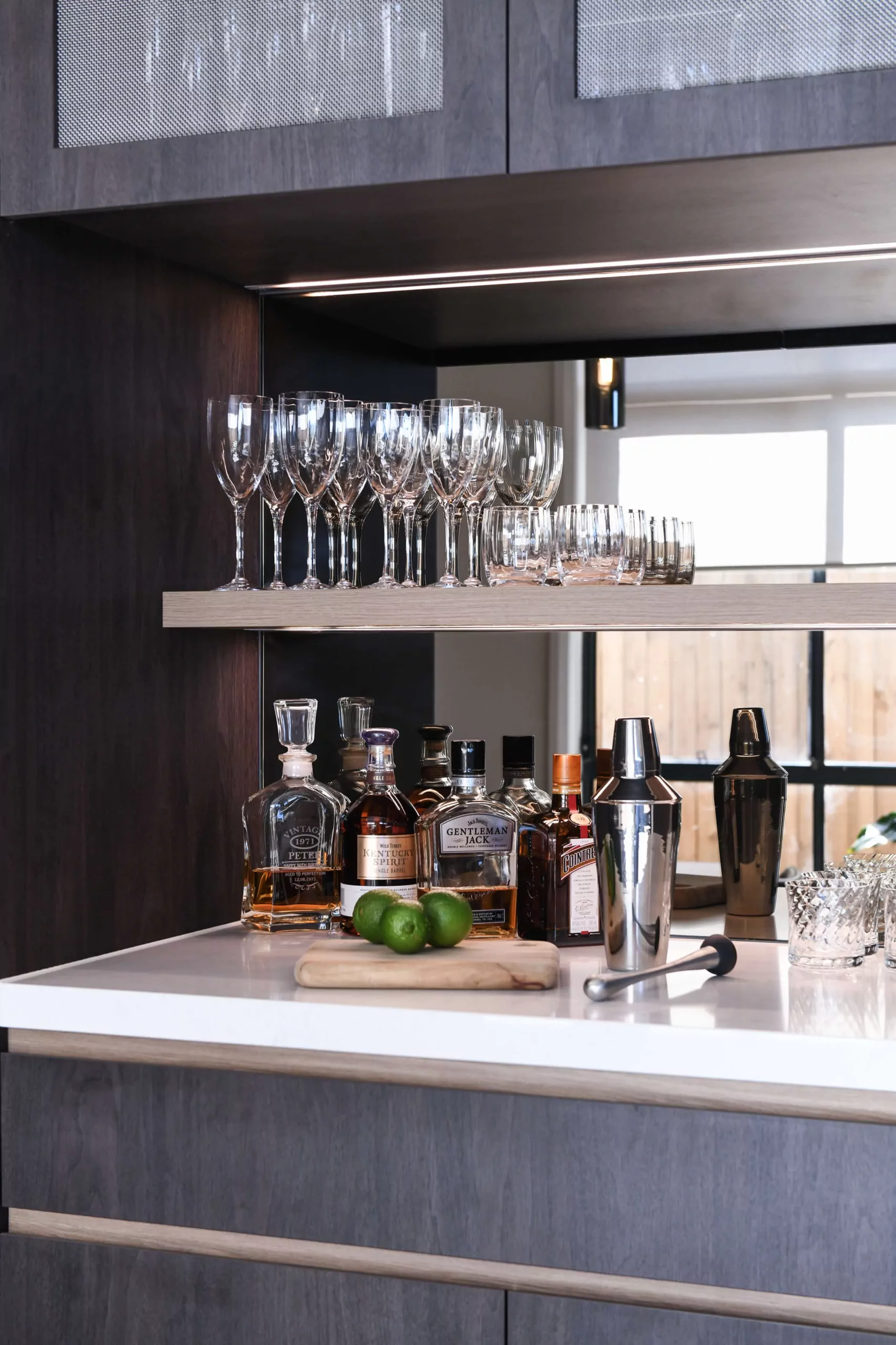
Lighting sets mood whilst ensuring adequate task illumination. Under-cabinet LED strips illuminate work surfaces without harsh overhead light. Display lighting highlights bottles and glassware. Ambient lighting creates atmosphere, perhaps pendant lights over bars or backlit shelving. Dimmers allow adjusting brightness matching occasions, brighter for active mixing, softer for conversation.
Seating integrates entertaining into bar spaces. Bar stools suit standard bar heights, with backless stools offering compact footprints whilst backed versions provide comfort for extended sitting. Upholstered seats add luxury and comfort, though fabric selections should consider spill potential. For outdoor bars, weather-resistant materials prevent deterioration.
Specialised equipment elevates home bars toward professional capability. Wine preservation systems keep opened bottles fresh for weeks. Cocktail stations with built-in mixers, shakers, and tool storage streamline drink preparation. Kegerators for draft beer appeal to beer enthusiasts. Coffee systems for espresso martinis or after-dinner drinks. The equipment selected should match actual use rather than aspirational habits.
Style and Material Selections
Materials and finishes define bar character whilst affecting durability and maintenance.
Natural timber brings warmth and richness, with species selection affecting overall feel. Dark walnut or mahogany creates traditional elegance. Lighter oak or ash suits contemporary or Scandinavian aesthetics. Reclaimed timber adds character and sustainability story. Timber requires periodic maintenance, sealing against moisture and stains, but ages beautifully developing patina over time.
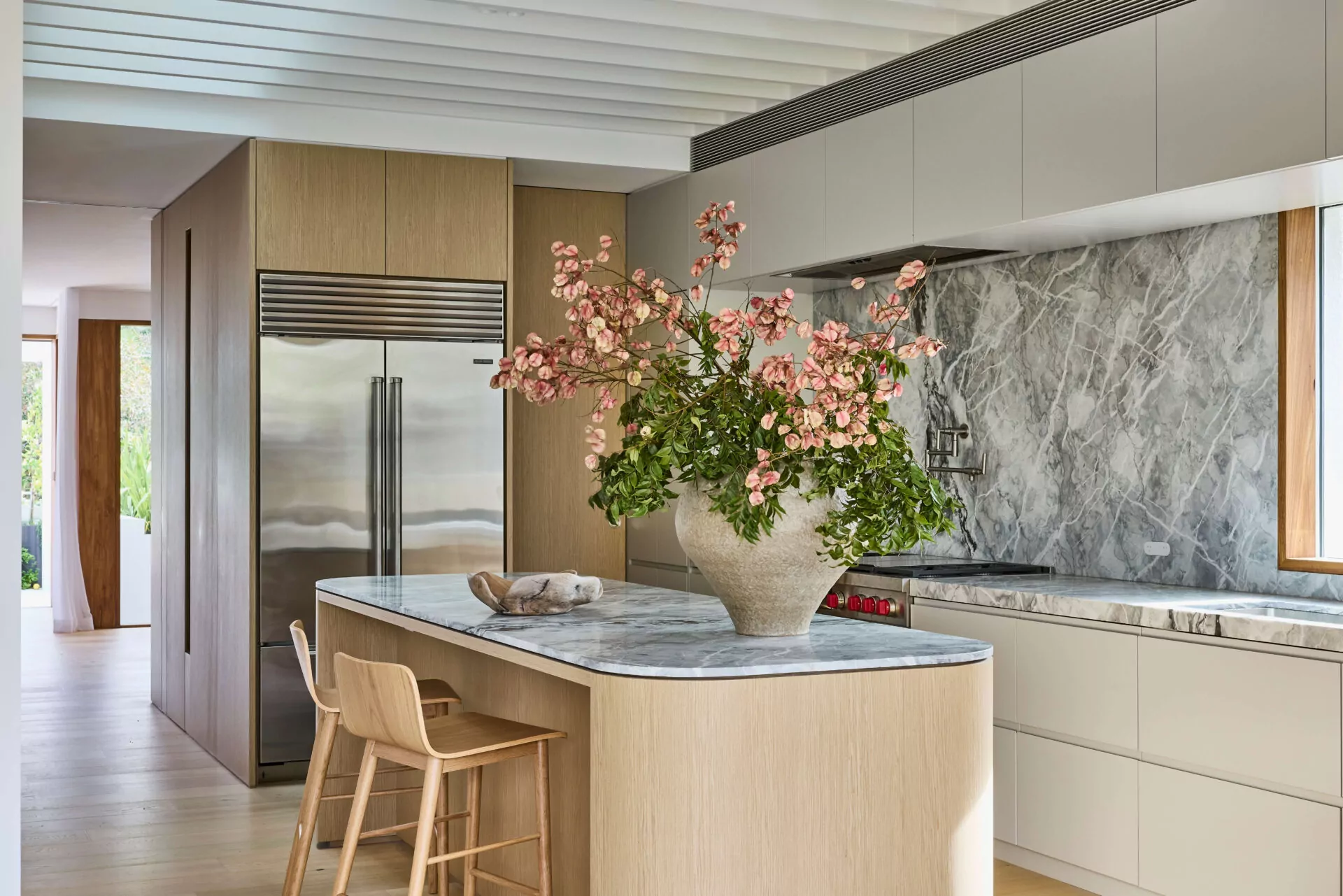
Stone benchtops provide durability and luxury. Marble’s elegance suits classic bars though requires sealing against staining. Granite offers similar aesthetics with superior stain resistance. Engineered stone combines natural appearance with enhanced performance and consistency. The cool stone surface stays comfortable even when handling chilled glassware.
Metal elements, whether stainless steel surfaces, brass fixtures, or copper accents, add contemporary or industrial edge. Metals withstand heavy use whilst cleaning easily. Brass and copper develop natural patina adding character, whilst stainless maintains consistent appearance with minimal maintenance.
Glass shelving creates lightness and allows backlit displays. Tempered glass withstands bottle weight whilst appearing almost invisible, letting displayed items star. Mirror backing multiplies visual impact of bottles and glassware whilst making bars appear larger.
Leather or upholstered elements add comfort and luxury. Bar fronts wrapped in leather create sophisticated textures. Upholstered seating improves comfort significantly. Material selections should consider cleaning ease, commercial-grade performance fabrics resist staining better than delicate textiles.
Compact Kitchen Bar Nooks
Limited space needn’t prevent incorporating bar functionality into homes. Kitchen bar nooks capitalises on underutilised areas whilst maintaining connectivity to food preparation.
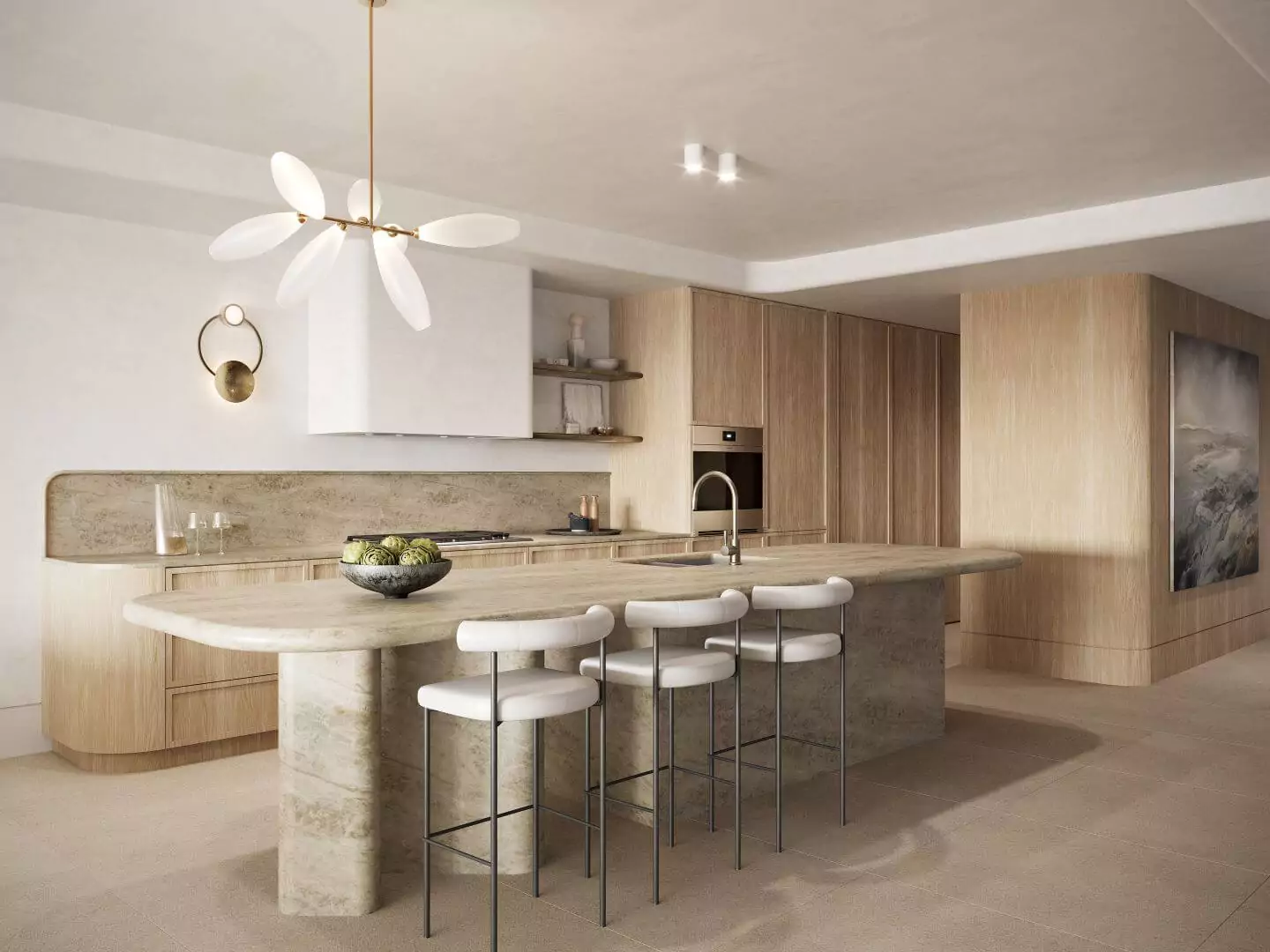
Peninsula extensions create bars without consuming additional floor space. Perhaps extending kitchen cabinetry 600-900mm creates overhang for two to three stools whilst incorporating storage beneath. This approach integrates naturally with kitchen aesthetics whilst providing distinct bar function.
Corner installations utilise otherwise awkward spaces. An angled or curved bar front softens the corner whilst creating comfortable gathering spots. Shelving wraps around corners displaying bottles and glassware. The configuration feels purposeful rather than inserted as afterthought.
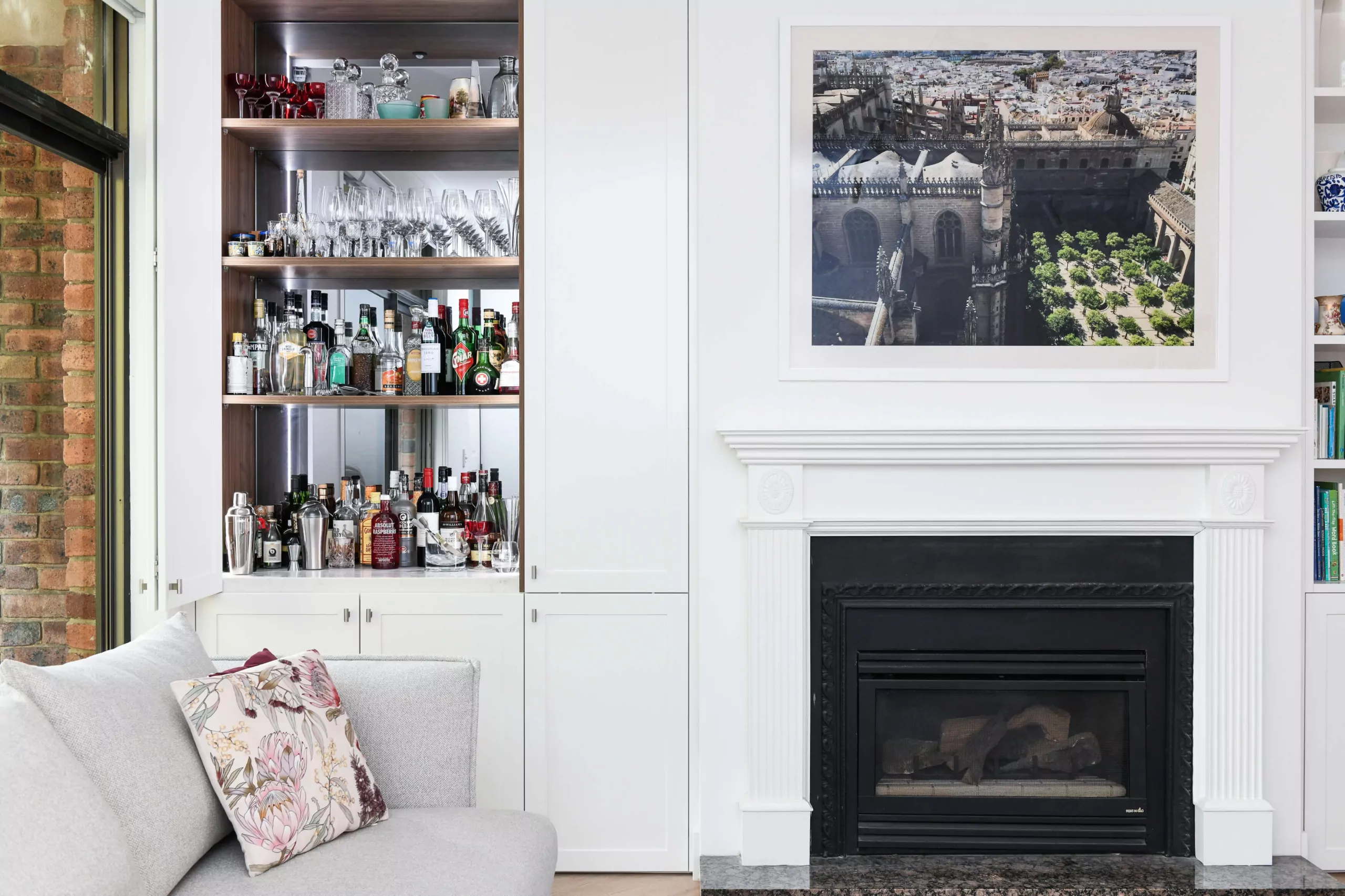
Wall-mounted bars fold or swing when not in use, freeing floor space in extremely compact situations. These suit occasional rather than frequent use, providing bar functionality without permanent space dedication. Quality hardware ensures smooth operation and sturdy support when deployed.
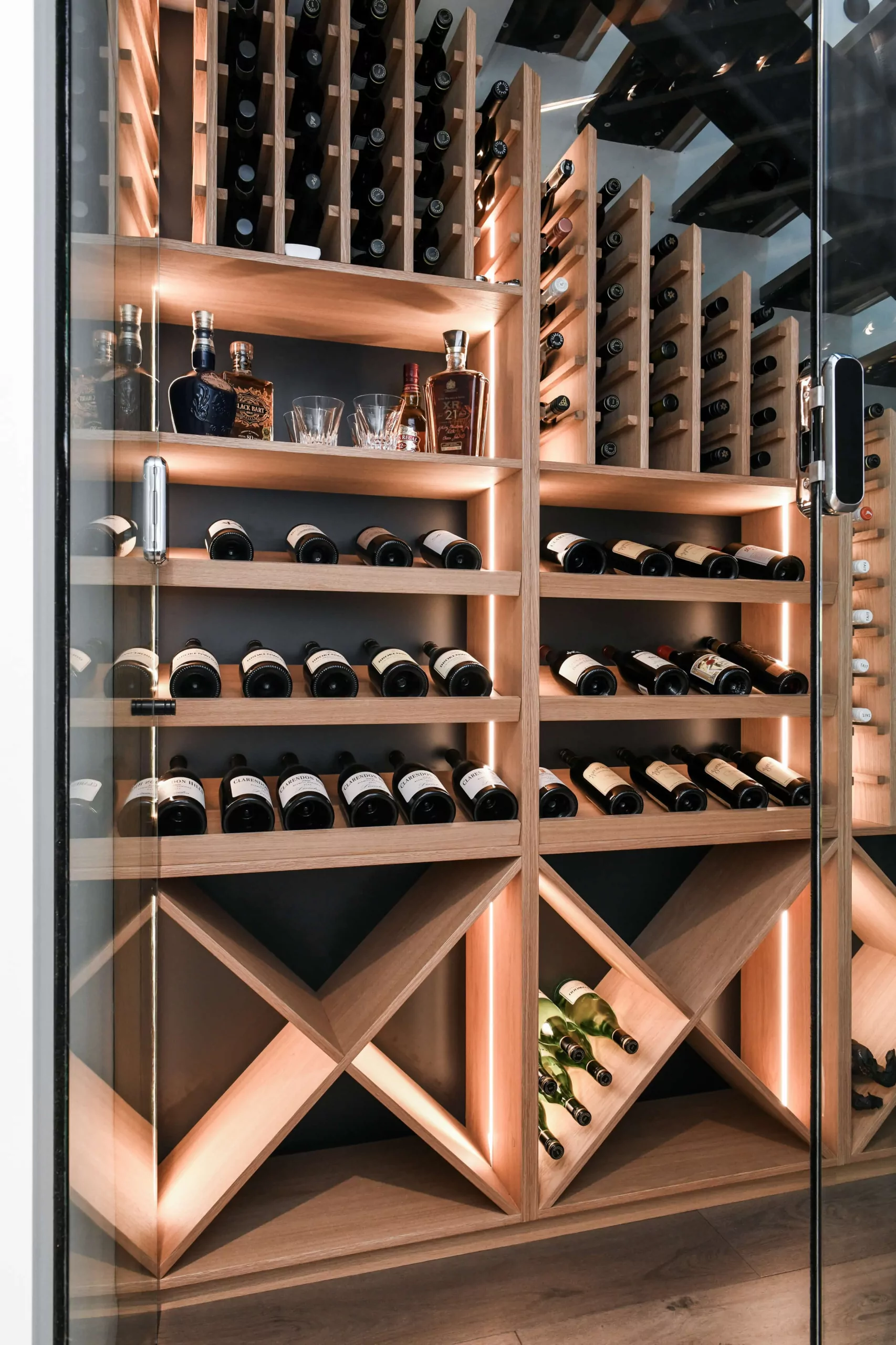
Under-stair bars capitalises on voids often wasted. Custom joinery fills awkward geometries, creating bars that feel intentional rather than merely space-filling. The limited height suits bar functions whilst the unique shape adds character.
Working with Home Bar Design: Creating Your Sydney Entertainment Space
At Improva, we connect you with Sydney joiners who understand both the aesthetic aspirations and technical requirements of home bar construction. Bars require thoughtful planning around workflow, storage, equipment integration, and sometimes plumbing and electrical services, details that distinguish professional installations from amateur attempts.
Our joinery consultancy service for building professionals is completely free when you engage one of our trusted joiners. We source quotes from our trusted network, analyse each quote thoroughly, and provide comprehensive comparisons with detailed recommendations explaining costs, inclusions, and exclusions.
For homeowners planning kitchen or home renovations across Sydney that include bar elements, we offer comprehensive support from design through completion. Our CAD design services model your entire space in three dimensions, helping you visualise how bar configurations, finishes, and equipment will work in your specific area before manufacturing begins. This proves invaluable when making decisions about bar size, layout, and feature selections.
Home bars work best as part of thoughtfully planned kitchen or entertainment area renovations where all elements integrate seamlessly. Whether you’re a building professional or a homeowner planning a renovation that includes bar features, we connect you with Sydney’s finest joiners who understand both creative bar design and technical execution.
Conclusion
Home bars transform entertaining from obligation into pleasure, creating spaces where mixing drinks and hosting gatherings becomes genuinely enjoyable. Whether you’re planning compact kitchen or living room nooks, elaborate basement installations, or outdoor entertaining areas, thoughtful bar design dramatically enhances both functionality and lifestyle quality.
The key to successful home bars lies in honest assessment of how you’ll actually use the space, selecting features and equipment matching reality rather than fantasy. Quality joinery ensures longevity. Proper planning creates comfortable, efficient layouts. Considered material selections balance durability with aesthetics.
Ready to create your dream home bar? Whether you’re a building professional seeking reliable joinery partners or planning a home renovation that includes bar features, we’d love to discuss how our joinery consultancy services can help. Reach out to explore how we can connect you with Sydney’s finest joiners who understand both creative bar design and technical execution.